——2026-11-18
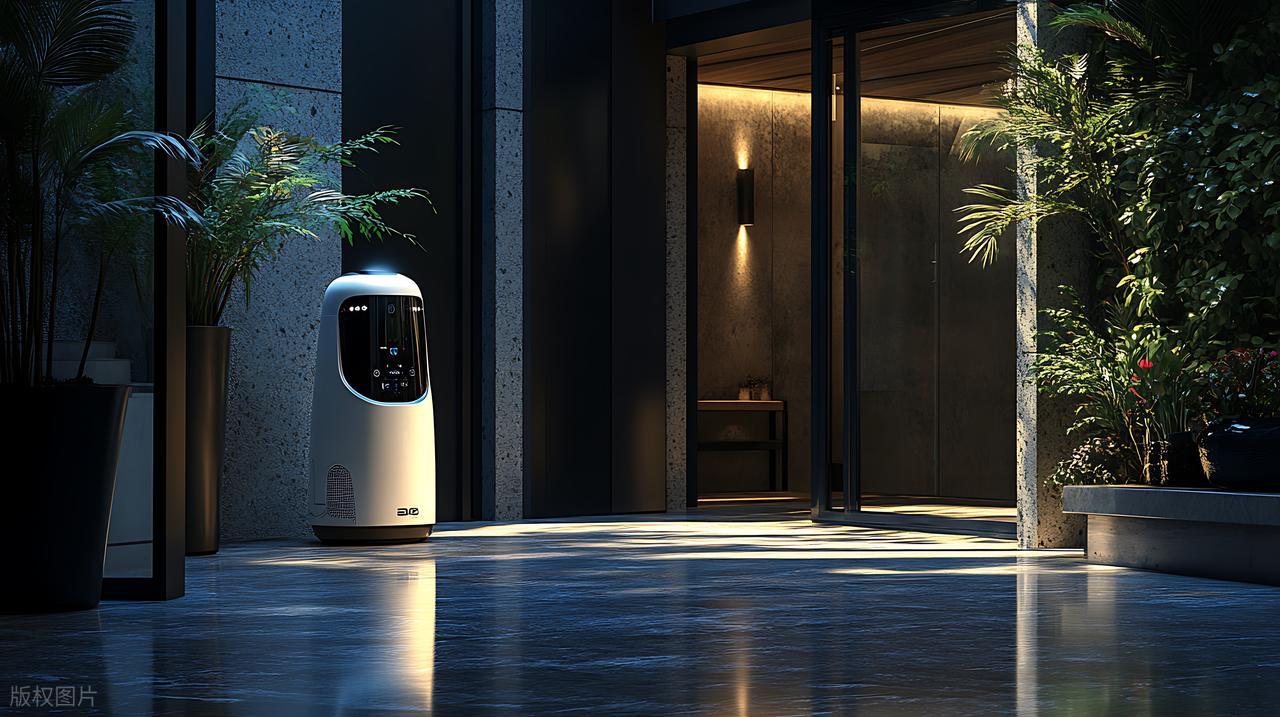
Not a robot hotel. A hotel where repetitive work stops pulling staff away from guests.
Hotel teams spend a surprising share of the day on tasks guests never see: running towels to room 512, carrying a delivery up from the lobby, mopping the lobby at 2 a.m., answering the same three questions in four languages.
None of it is complex. All of it is constant. And it competes directly with the work that defines a good stay — recognizing a guest, solving a problem, being present.
That's the gap service robots are starting to fill in hotels. Not as a spectacle, but as quiet infrastructure.
1. Room deliveries. Towels, amenities, food delivery, packages. These requests arrive throughout the day, each one pulling a staff member away from the front desk or the floor.
A delivery robot can take the trip: call the elevator, navigate to the room, and notify the guest or staff on arrival — without a human escort.
2. Overnight cleaning. Public areas — lobbies, corridors, banquet spaces — need to be clean before breakfast service.
A scheduled cleaning robot can run those routes overnight, recharge itself, and leave a report by morning. Staff refill the water tank and empty the wastewater tank; the schedule does the rest.
3. Multilingual, consistent guest interaction. International guests ask the same questions in different languages. A robot with customizable voice prompts and interface can handle routine guidance and delivery notifications consistently — and in the guest's language.
4. Brand consistency. For hotel groups, a robot is a visible object in a designed space. Custom exteriors — colors, logo printing, finish — let it fit the property instead of looking like a bolted-on gadget.
Hotels are unforgiving environments: narrow service corridors, elevators, carpet transitions, and guests at all hours.
WDC's Bearbot handles delivery with autonomous elevator and door control, a sealed compartment for privacy, 70cm corridor capability, and 8–10 hours of runtime.
The C2 handles cleaning with a three-in-one scrub, mop, and vacuum system, scheduled overnight routes, 300–800 sqm/hour coverage, and automatic recharging.
Both deploy without floor markers or ceiling modifications — important for properties that can't shut down for an installation.
Small properties with a single shift and low delivery volume won't see the math work. Neither will buildings without elevator integration or an overnight cleaning need.
The fit is usually: multiple floors, high request volume, and a team that's constantly interrupted.
Hotel automation isn't about removing people. It's about removing the trips, the repeats, and the 2 a.m. tasks — so the people you have can do the work guests actually remember.
If you're exploring this for a property or a portfolio, we'd be glad to map it with you. Visit wdcrobot.com or get in touch.

A robot manufacturing brand invested by the Chinese Academy of Sciences. Our own factory supports your customized needs and our vision is to build the most efficient robotics ecosystem in the world.
Terms & ConditionsPrivacy PolicyCopyright © 2024 Jegtheme. All rights reserved.